
Prilosec vs. Pepcid: Which Heartburn Relief Is Right for You?
Prilosec and Pepcid both effectively treat acid reflux, but they work differently. Pepcid provides fast, short-term relief within 30 to 60 minutes, while Prilosec takes 1 to 4 days to build up full effect for long-term, daily prevention.

More in Medication Comparisons
Prilosec vs. Pepcid: Which Heartburn Relief Is Right for You?
Prilosec and Pepcid both effectively treat acid reflux, but they work differently. Pepcid provides fast, short-term relief within 30 to 60 minutes, while Prilosec takes 1 to 4 days to build up full effect for long-term, daily prevention.
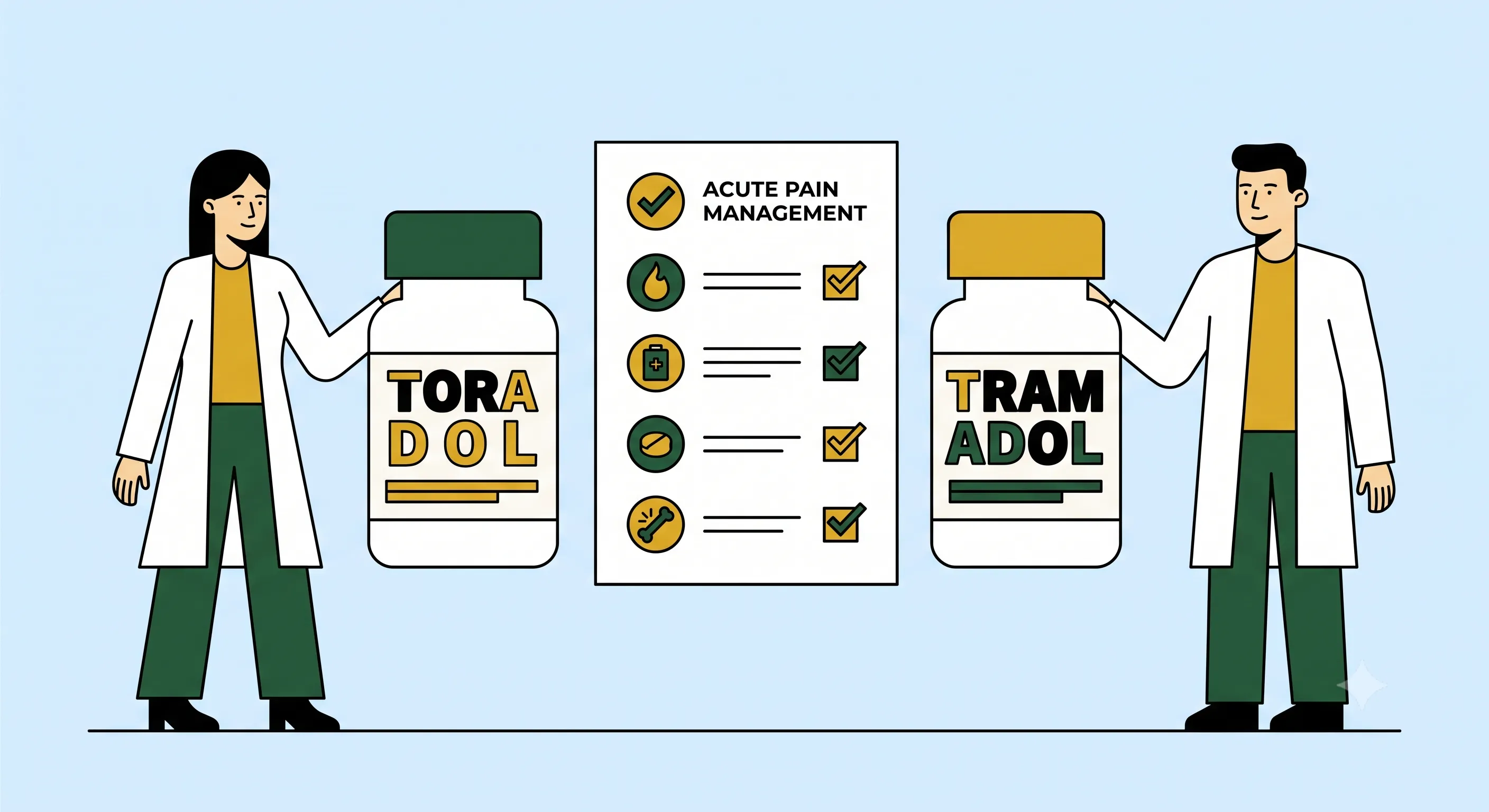
Toradol vs. Tramadol: Key Differences, Uses, and Risks
Toradol (ketorolac) is a powerful, non-addictive NSAID used strictly for short-term pain relief (up to 5 days), whereas Tramadol is a controlled, synthetic opioid prescribed for moderate to severe acute or chronic pain.
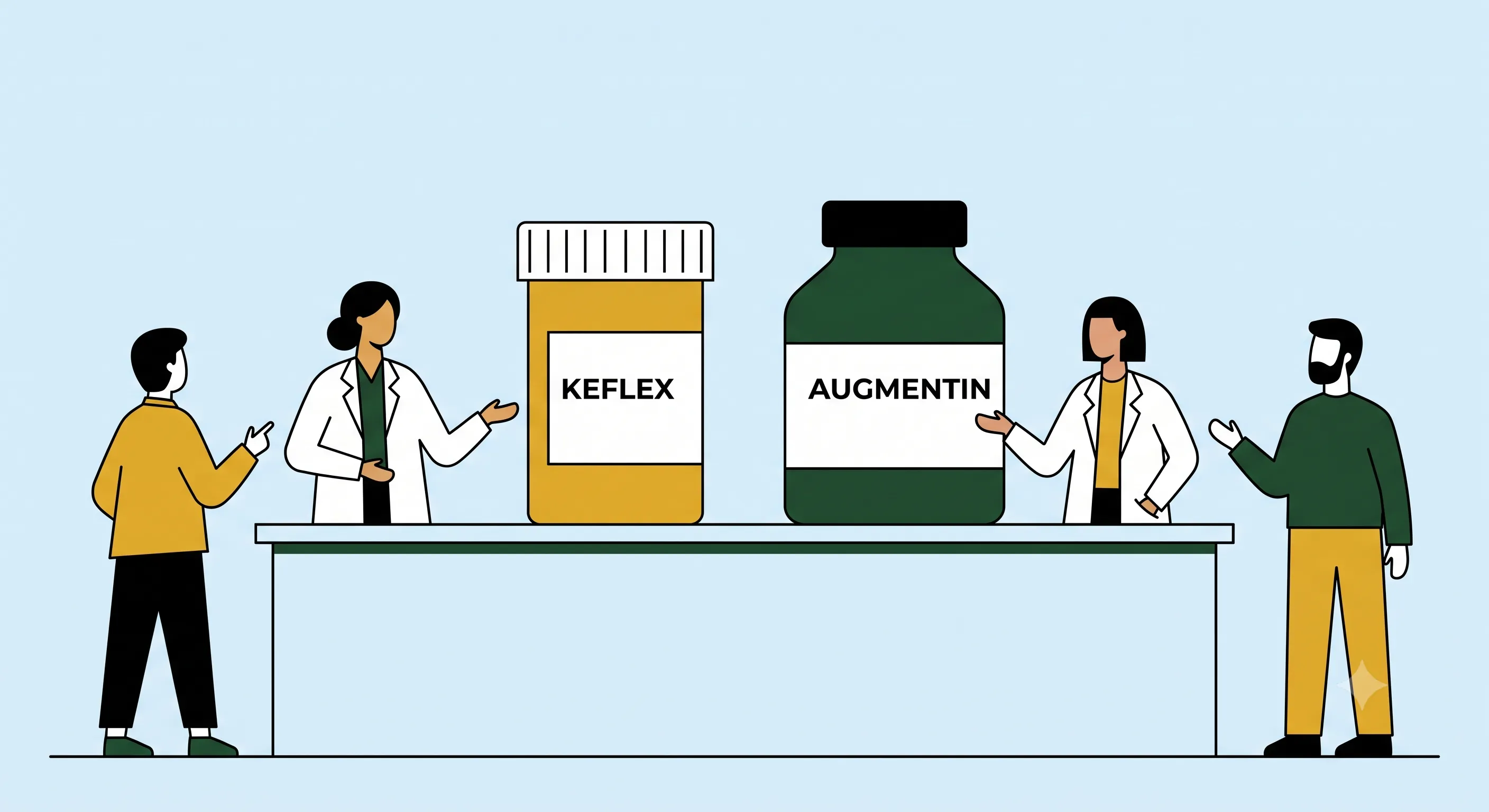
Keflex vs. Augmentin: Differences, Uses, and Side Effects
Keflex (cephalexin) is a first-generation cephalosporin ideal for skin, bone, and uncomplicated urinary tract infections, whereas Augmentin (amoxicillin/clavulanate) is a broad-spectrum penicillin combination used for resistant respiratory, sinus, and animal bite infections.
Zanaflex vs. Flexeril: Which Muscle Relaxant is Right for You?
If your doctor prescribed a muscle relaxant, you might be wondering how it works. In this guide, we break down the differences between Zanaflex (tizanidine) and Flexeril (cyclobenzaprine), comparing their side effects, how long they last, and which one is better for your specific type of muscle pain.
Bactrim vs. Cipro: Differences, Uses, and Side Effects
Bactrim (sulfamethoxazole/trimethoprim) is a sulfonamide combination antibiotic commonly used for UTIs and skin infections, whereas Cipro (ciprofloxacin) is a potent fluoroquinolone reserved for complex, hard-to-treat infections due to its black box warnings.
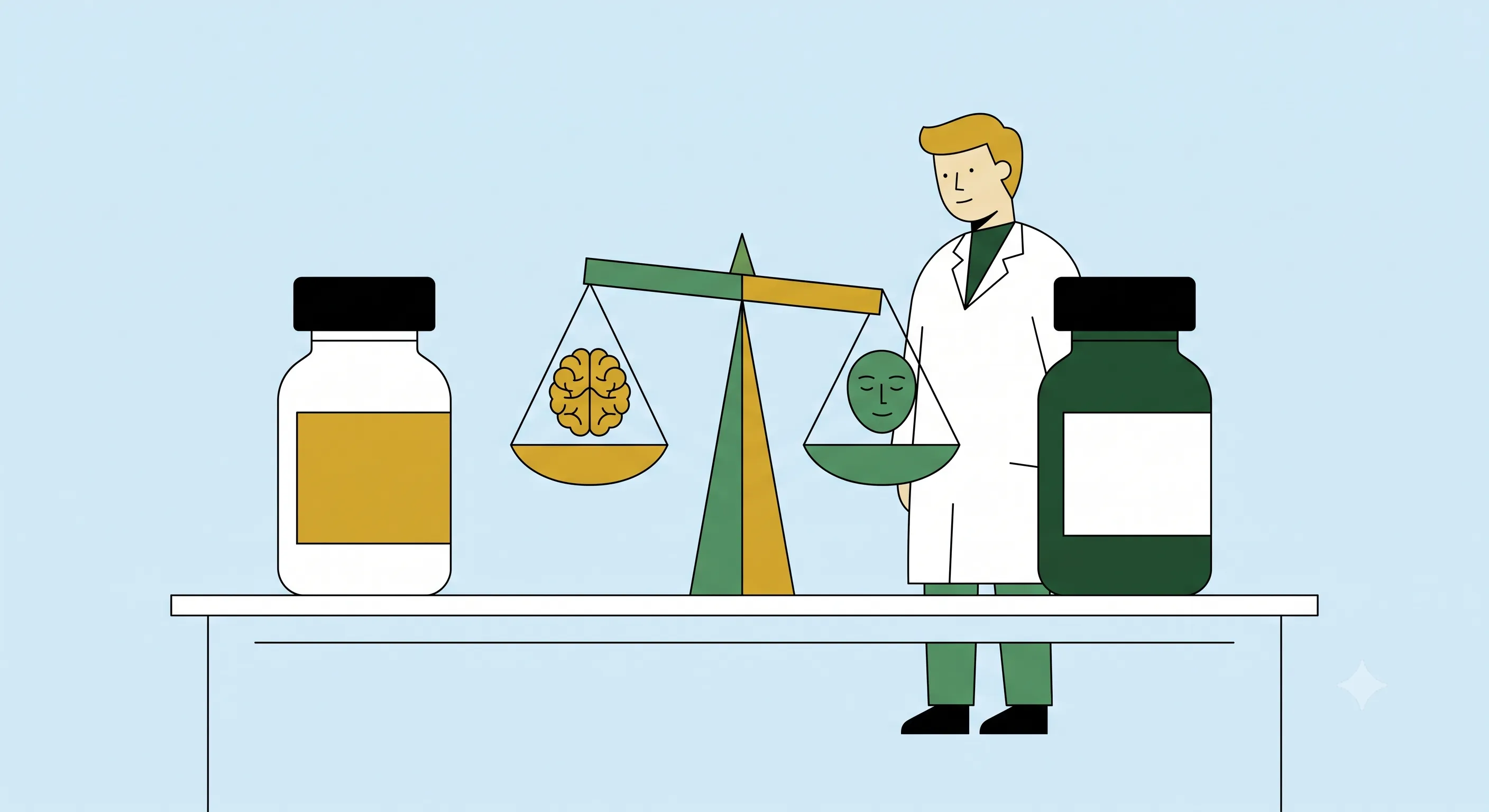
Buspar vs. Zoloft: Differences, Uses, and Side Effects
Buspar (buspirone) is a non-addictive, targeted anti-anxiety medication designed specifically for Generalized Anxiety Disorder (GAD), whereas Zoloft (sertraline) is a broad-spectrum SSRI antidepressant used for depression, anxiety, panic, and OCD.
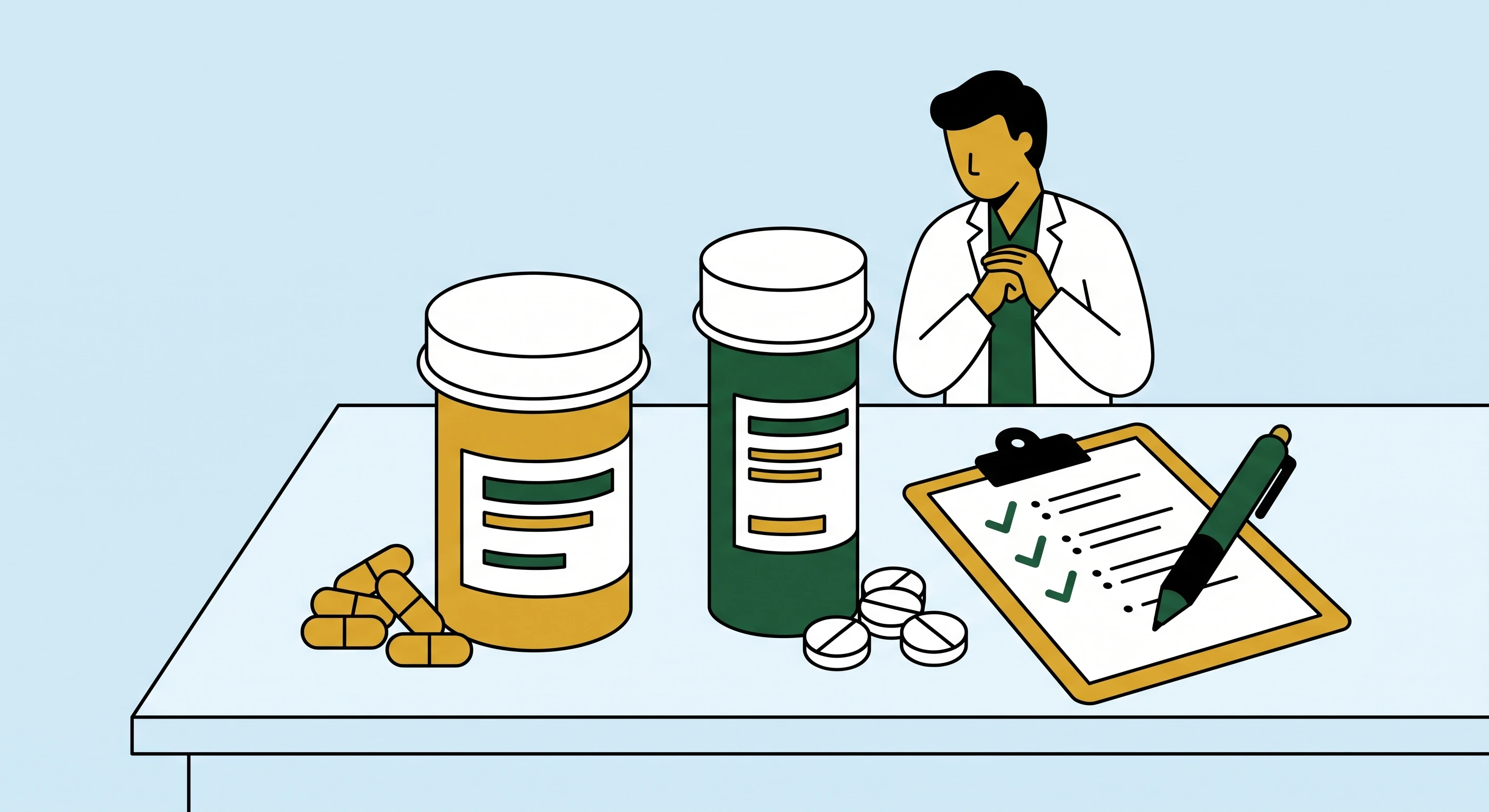
Macrobid vs. Cipro: Choosing the Right Antibiotic for UTIs
Macrobid (nitrofurantoin) is a targeted antibiotic reserved exclusively for uncomplicated lower urinary tract infections (bladder infections), whereas Cipro (ciprofloxacin) is a potent fluoroquinolone used for complex UTIs, kidney infections, and systemic bacterial conditions.
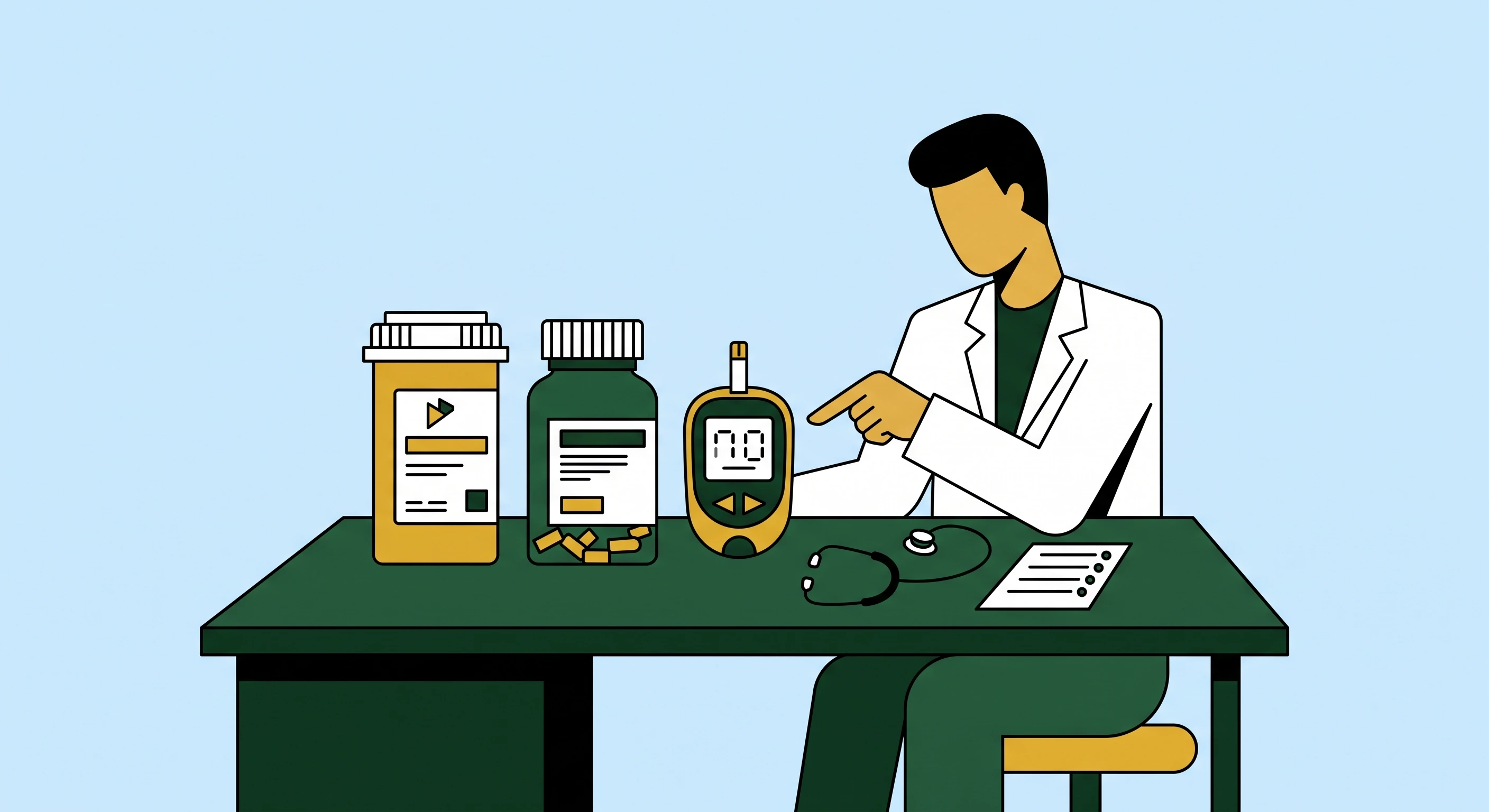
Jardiance vs. Metformin: Which Diabetes Drug Is Better for You?
Metformin is the first-line oral medication for Type 2 diabetes that reduces liver glucose production, whereas Jardiance (empagliflozin) is an SGLT2 inhibitor that flushes excess glucose through urine while offering proven heart and kidney protection.
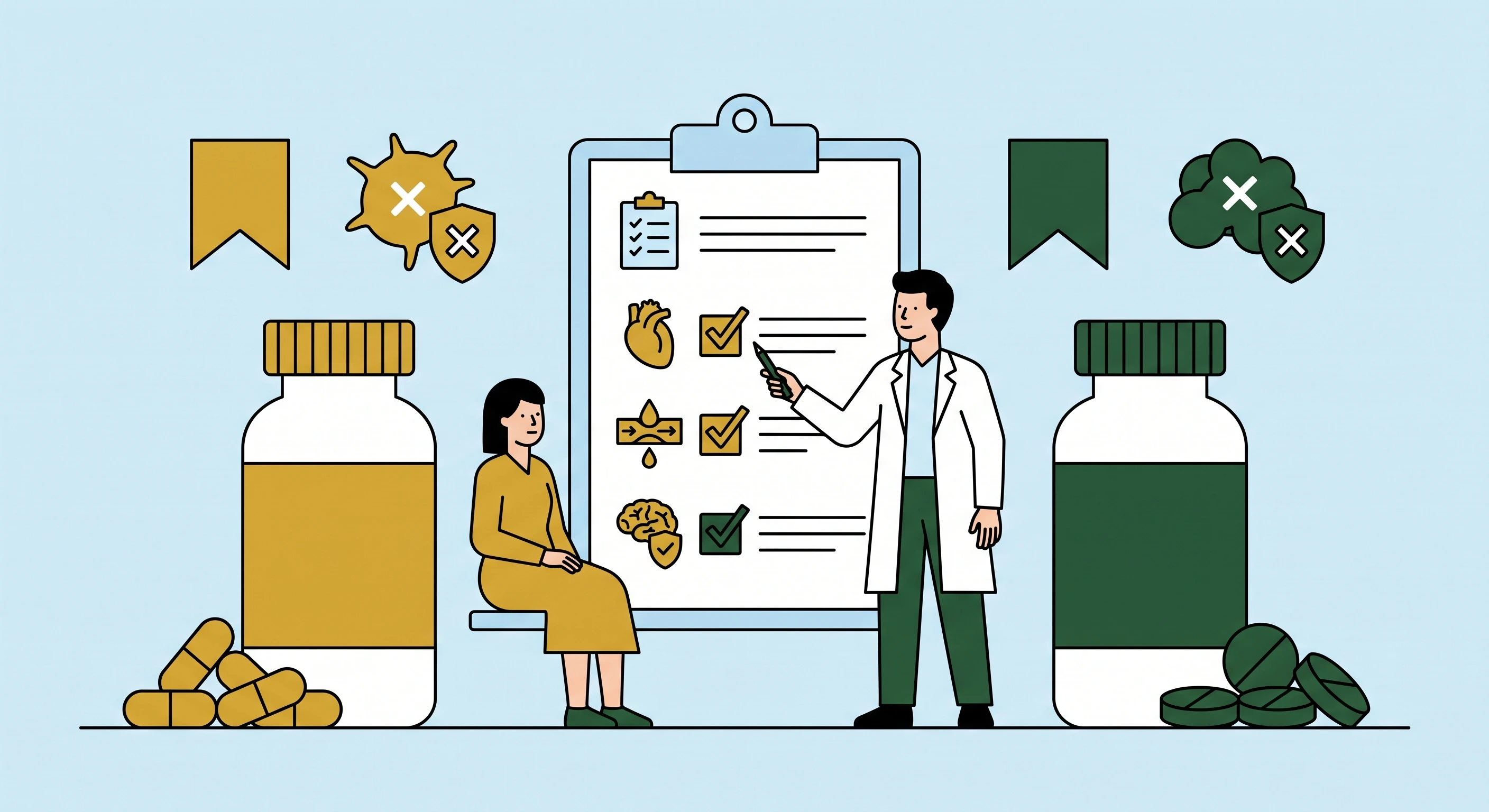
Plavix vs. Eliquis: Blood Thinners Compared for Stroke Prevention
Plavix (clopidogrel) is an antiplatelet medication that stops blood platelets from clumping together, whereas Eliquis (apixaban) is a direct oral anticoagulant (DOAC) that inhibits Factor Xa to prevent blood clot formation, particularly in atrial fibrillation.
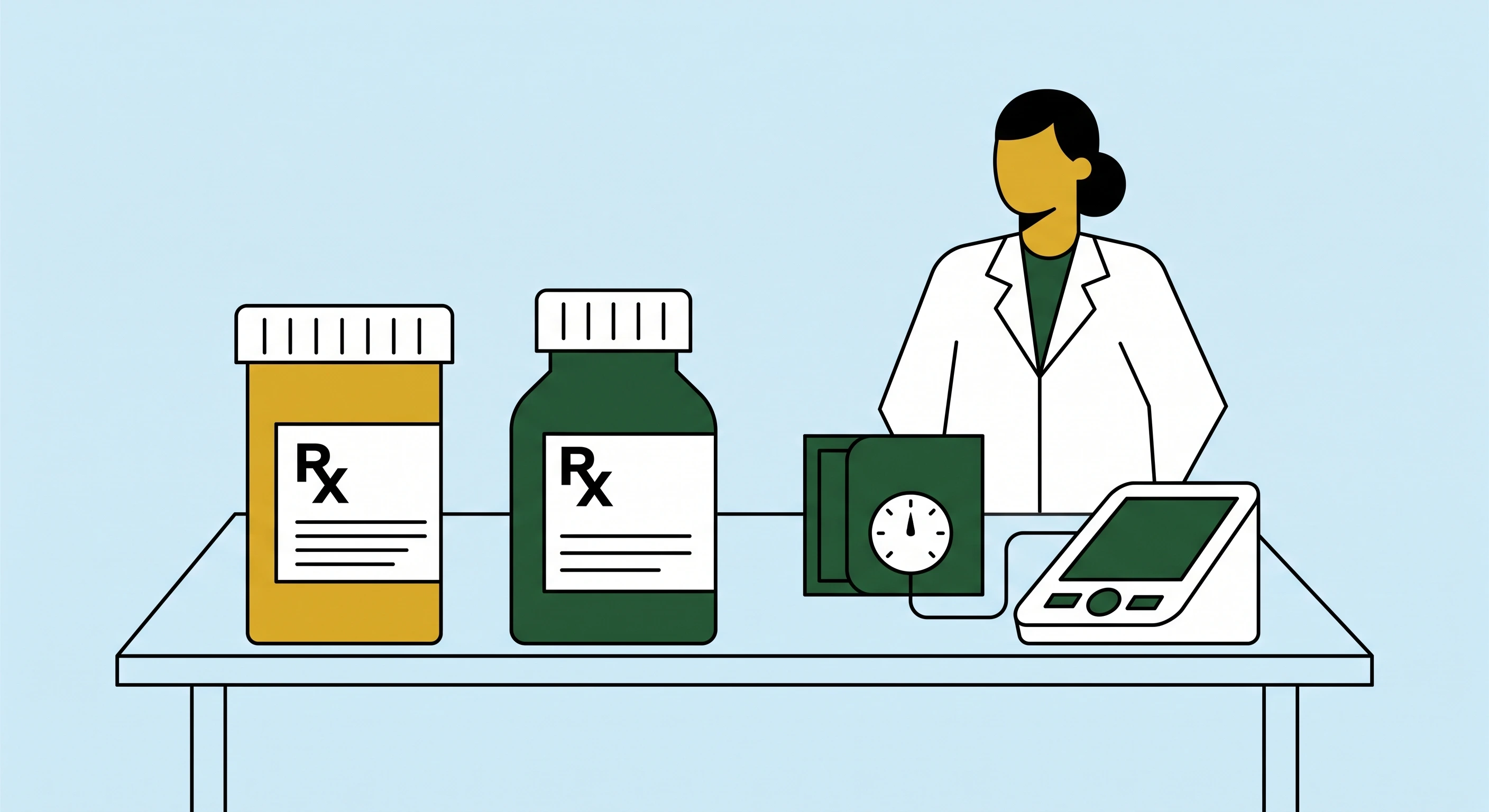
Lasix vs. Bumex: Comparing Diuretics for Fluid Retention and Heart Failure
Lasix (furosemide) is the most commonly prescribed loop diuretic for fluid retention, whereas Bumex (bumetanide) is roughly 40 times more potent per milligram and offers much more consistent absorption, making it particularly effective when severe intestinal swelling is present.
🍪 We use cookies
We use cookies to enhance your browsing experience, serve personalised content, and analyse traffic. By clicking "Accept all", you consent to our use of cookies.