
Living with Inflammatory Bowel Disease (IBD): A Patient’s Guide
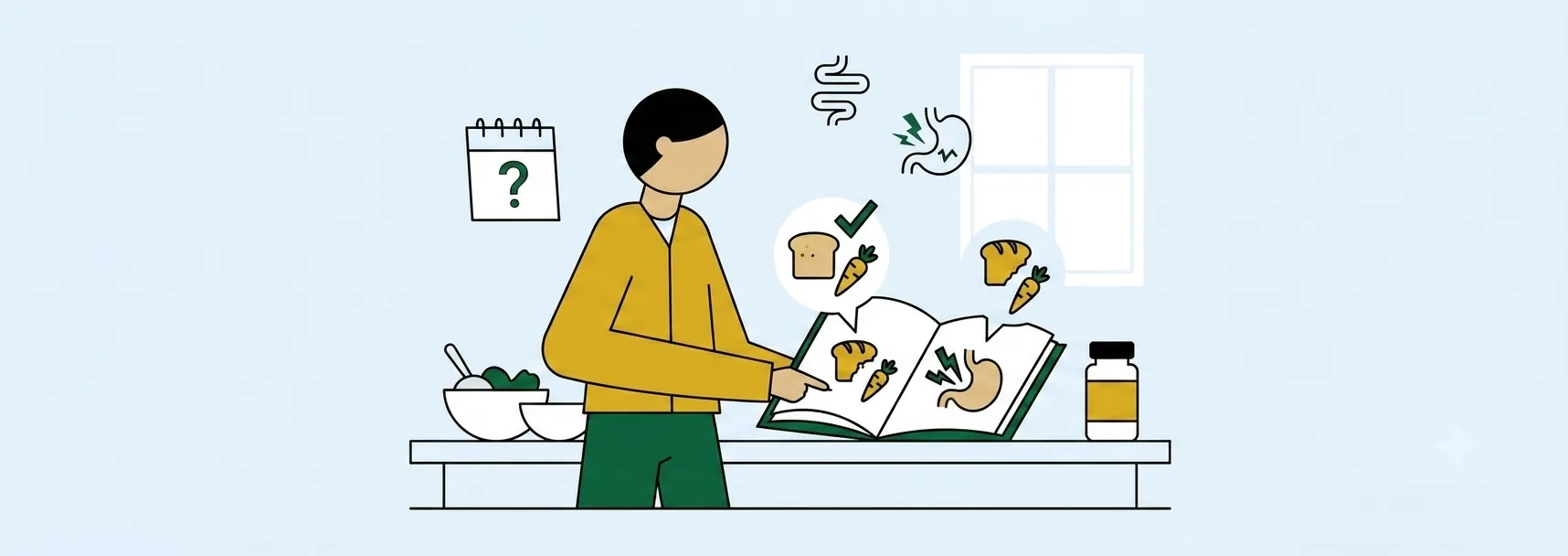
If you have been diagnosed with Inflammatory Bowel Disease (IBD)—which primarily includes Crohn’s disease and ulcerative colitis—you already know that it is much more than just an "upset stomach." It is a chronic autoimmune condition where your immune system mistakenly attacks the lining of your digestive tract, causing severe inflammation, pain, and fatigue.
Living with IBD often feels like an unpredictable rollercoaster. You might experience long periods of feeling perfectly fine (remission), followed by sudden, severe returns of your symptoms (flare-ups). While there is no permanent cure, mastering your daily habits and finding the right medication can help you stay in remission longer and live a fully active life.
Surviving the Flare-Ups
Even with the best planning, flare-ups happen. When your symptoms suddenly worsen, your immediate goal is to give your digestive system as much rest as possible while preventing dehydration and malnutrition.
- Hydrate strategically: Severe diarrhea can quickly lead to dangerous dehydration. Sip water constantly throughout the day, and consider electrolyte-rich drinks or broths. Avoid sugary sports drinks, which can actually pull more water into your bowels and worsen diarrhea.
- Switch to a low-residue diet: When your gut is highly inflamed, it struggles to process fiber. Temporarily pause raw vegetables, whole grains, and nuts. Stick to plain, easy-to-digest foods like white rice, bananas, lean chicken, and applesauce.
- Do not ignore severe pain: If your abdominal pain becomes unbearable, you develop a high fever, or you notice large amounts of blood in your stool, seek emergency medical care immediately.
The Power of a Food Journal
Diet does not cause IBD, but certain foods will absolutely trigger your symptoms. The catch? Everyone's triggers are completely different. What sends one person into a severe flare-up might be perfectly safe for another.
The single best tool for managing your condition is a strict food and symptom journal. For at least one month, write down everything you eat, the exact time you eat it, and how your stomach feels over the next 24 hours. Over time, you will spot clear patterns.
Many patients find success by exploring a low-FODMAP diet, which temporarily eliminates certain types of carbohydrates (like dairy, garlic, onions, and certain fruits) that are notorious for fermenting in the gut and causing bloating and pain.
Managing Stress: The Gut-Brain Connection
Your brain and your gut are in constant communication. When you are highly stressed, your brain releases chemicals that directly impact your digestive tract, increasing inflammation and changing how fast food moves through your system.
For many IBD patients, a period of high emotional stress at work or home is the direct cause of their next flare-up. Prioritizing mental health is not a luxury when you have IBD—it is a medical necessity. Incorporate daily stress-reduction techniques like deep breathing exercises, gentle yoga, or cognitive behavioral therapy (CBT).
Navigating Biologics and Long-Term Treatment
While diet and lifestyle are crucial, severe IBD almost always requires long-term medical treatment to suppress the overactive immune system. Today, biologic therapies are the gold standard for achieving deep, lasting remission.
These medications (such as Stelara or Humira) are incredibly effective, but they can also be very expensive. Fortunately, the recent introduction of FDA-approved interchangeable biosimilars is changing the landscape. If you are concerned about the long-term cost of your Crohn's or colitis medication, you might want to read our clinical breakdown on switching from Stelara to Wezlana to see how biosimilars offer the exact same therapeutic relief at a lower price point.
Always consult your gastroenterologist before making changes to your diet or pausing any prescribed medications. To learn more about treatment strategies and explore pharmaceutical options, visit our comprehensive clinical hub on Inflammatory Bowel Diseases.
🍪 We use cookies
We use cookies to enhance your browsing experience, serve personalised content, and analyse traffic. By clicking "Accept all", you consent to our use of cookies.