
Rituxan vs. Truxima: Rituximab Biosimilars
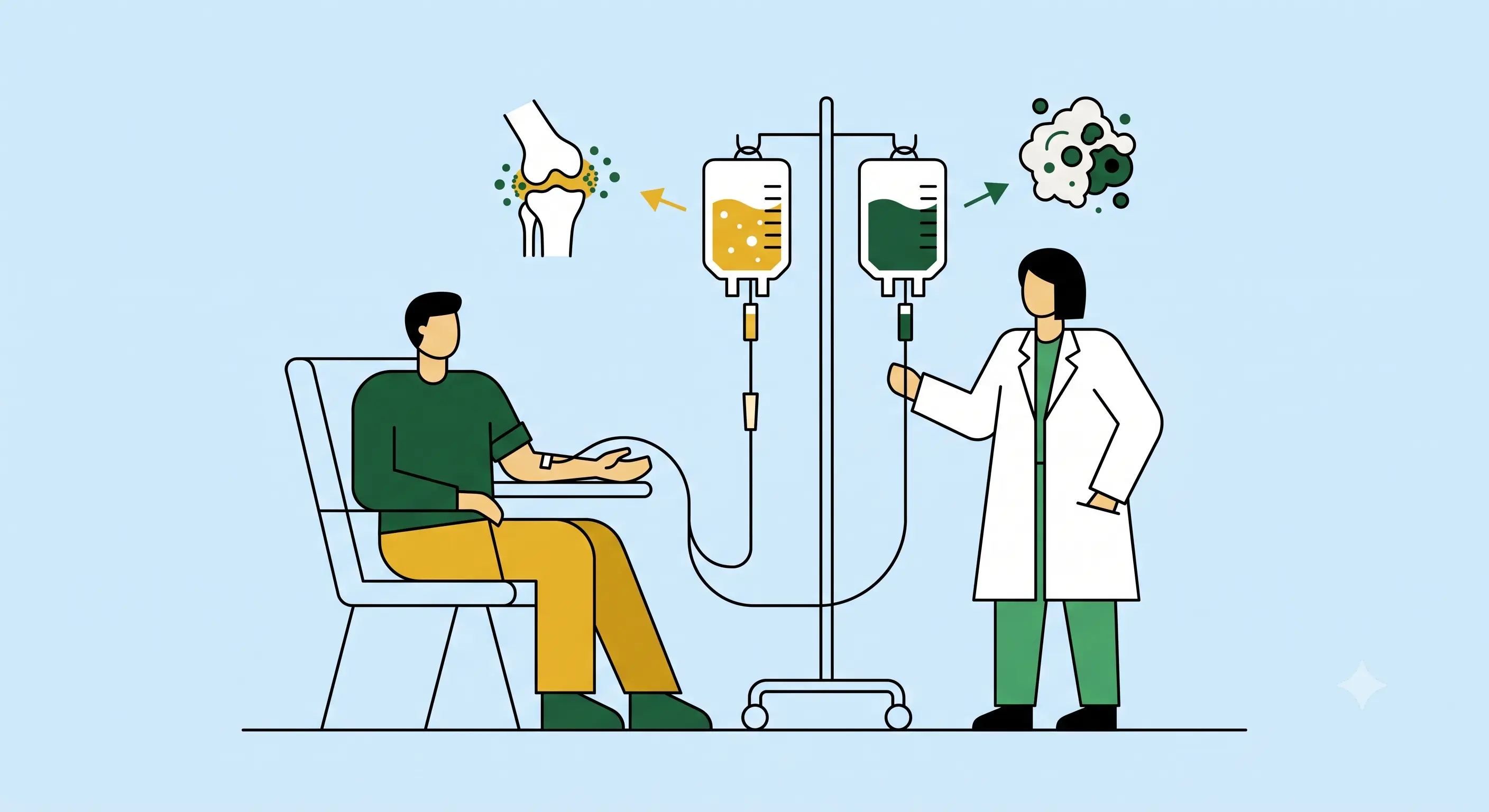
At a Glance
- Truxima (rituximab-abbs) is an FDA-approved biosimilar to the original reference biologic, Rituxan (rituximab).
- Both medications bind to the CD20 protein on B cells to selectively deplete overactive or cancerous lymphocytes.
- Clinical trials confirm that switching from Rituxan to Truxima preserves disease control without increasing adverse reaction risks.
- Oral DMARDs like Imuran, Arava, or Plaquenil remain foundational options for long-term autoimmune maintenance.
Rituxan vs. Truxima
Rituxan and Truxima both contain the active monoclonal antibody rituximab. In autoimmune and lymphoproliferative disorders, specific white blood cells called B lymphocytes either malfunction or proliferate uncontrollably. Rituximab targets the CD20 antigen expressed on the surface of pre-B and mature B lymphocytes, flagging them for destruction by the body's immune system.
Physicians routinely prescribe rituximab therapies to treat severe autoimmune conditions like rheumatoid arthritis, granulomatosis with polyangiitis (GPA), as well as hematologic malignancies such as non-Hodgkin lymphoma and chronic lymphocytic leukemia.
What Is a Rituximab Biosimilar?
Truxima was approved by the FDA following comprehensive analytical, animal, and human clinical testing showing it is highly similar to Rituxan. There are no clinically meaningful differences between the two drugs regarding potency, safety profile, or clinical performance.
Insurance & Savings Note: Transitioning to a biosimilar like Truxima, Ruxience, or Riabni helps lower overall healthcare expenses and specialty medication co-pays while delivering the exact same targeted antibody therapy.
Comparing Key Features
| Feature | Rituxan | Truxima |
|---|---|---|
| Active Drug Name | Rituximab | Rituximab-abbs |
| FDA Approval Status | Reference Biologic (1997) | Approved Biosimilar (2018) |
| Target Protein | CD20 Antigen on B cells | CD20 Antigen on B cells |
| Administration Route | Intravenous (IV) Infusion | Intravenous (IV) Infusion |
| Pre-Medication Protocol | Antihistamine + Acetaminophen + Steroid | Antihistamine + Acetaminophen + Steroid |
Infusion Protocols and What to Expect
Whether receiving Rituxan or Truxima, your clinical routine at the infusion center remains identical:
- Pre-Medications: To prevent infusion-related reactions, healthcare providers administer an antihistamine (like diphenhydramine), acetaminophen, and sometimes an intravenous corticosteroids prior to beginning the infusion.
- Infusion Speed: The intravenous drip starts slowly and is gradually accelerated if no signs of an allergic or infusion reaction occur.
- Dosing Cycles: For rheumatoid arthritis, treatment typically consists of two 1,000 mg IV infusions separated by 2 weeks, repeated every 6 months based on clinical evaluation. Oncology dosing varies based on specific chemotherapy regimens.
Safety Warning: Rituximab therapies carry FDA Boxed Warnings for severe, potentially fatal infusion reactions, Hepatitis B virus reactivation, and Progressive Multifocal Leukoencephalopathy (PML)—a rare brain infection. Patients must undergo Hepatitis B screening prior to starting treatment.
Complementary & Alternative Therapies
In rheumatology practices, rituximab is frequently integrated alongside or transitioned from traditional oral disease-modifying antirheumatic drugs (DMARDs):
- Oral Baseline DMARDs: Patients managing persistent joint inflammation often utilize oral agents like Imuran (azathioprine) or Arava (leflunomide).
- Antimicrobial Screening Support: Hydroxychloroquine therapies such as Plaquenil serve as essential baseline immunomodulators in systemic lupus and early rheumatoid care.
Frequently Asked Questions
Is Truxima identical to Rituxan?
Truxima is a biosimilar, meaning it is highly similar to Rituxan with no clinically meaningful differences in safety or effectiveness. Because biologics are manufactured using living cells, minor structural variations naturally occur, but therapeutic performance is identical.
Will I experience more side effects after switching to Truxima?
No. Clinical switching studies demonstrate that switching from original Rituxan to Truxima does not increase the frequency or severity of side effects, including infusion-site reactions or fatigue.
Can I receive live vaccines while taking Truxima?
No. Because rituximab depletes B cells and suppresses antibody production, live vaccines should not be administered shortly before or during treatment. Always discuss vaccination timing with your physician.
Always review your medication options with your oncologist or rheumatologist before modifying your treatment schedule. For more information on managing systemic joint and blood disorders, visit our clinical resource on Arthritis Care and comprehensive medical management.
🍪 We use cookies
We use cookies to enhance your browsing experience, serve personalised content, and analyse traffic. By clicking "Accept all", you consent to our use of cookies.