

Colitis
Colitis
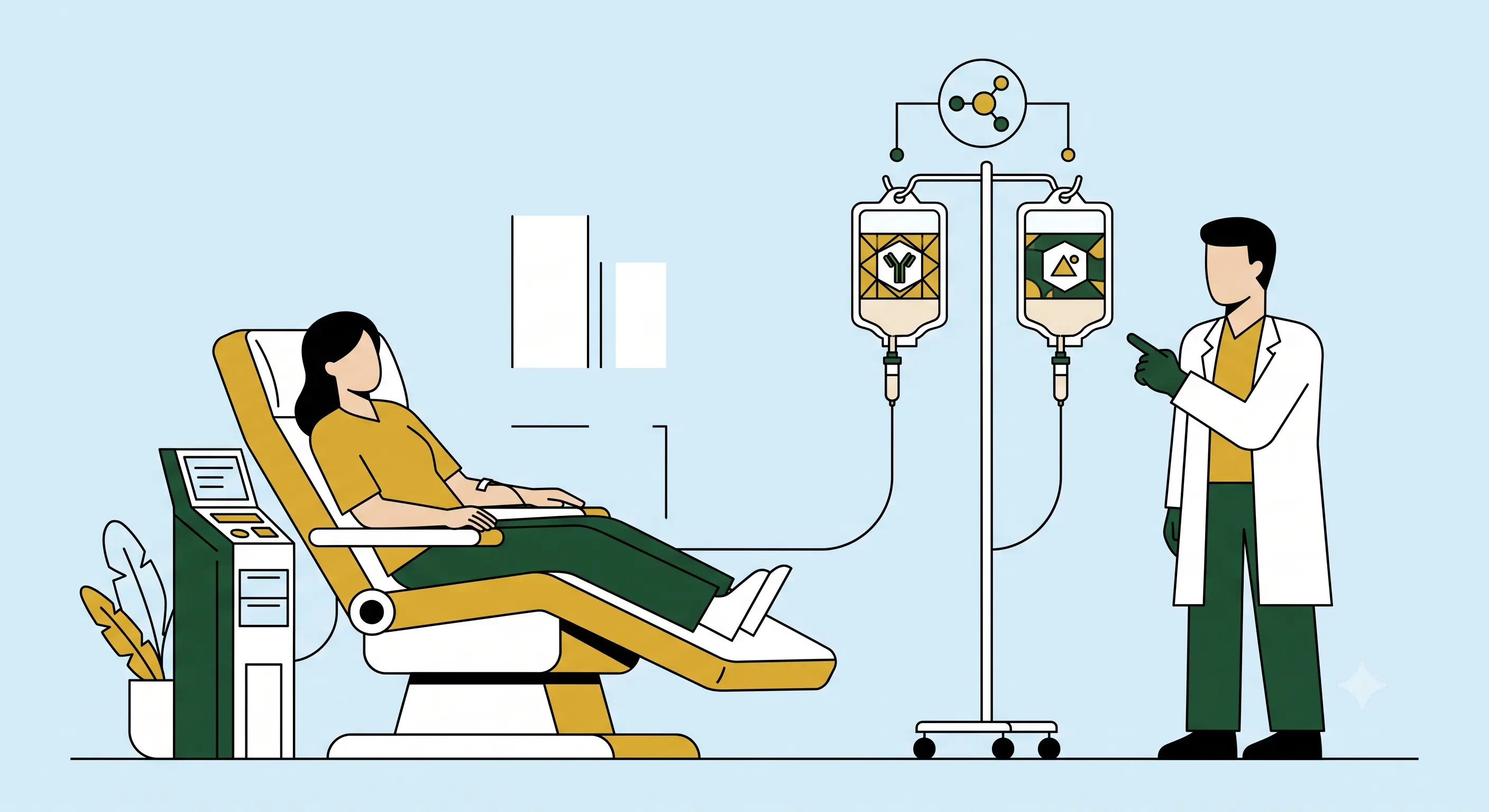
Ulcerative colitis is a type of inflammatory bowel disease (IBD) that causes chronic inflammation and ulcers in the inner lining of the colon. Common symptoms include diarrhea, abdominal pain, weight loss, fatigue, and blood in stool. If left untreated, it can lead to complications such as colorectal cancer.
Show Medications for Colitis
18/05/2026
Updated: 09/07/2026
Understanding Colitis
Colitis is a type of inflammatory bowel disease (IBD) that affects the large intestine, also known as the colon. It occurs when the lining of the colon becomes inflamed, leading to symptoms such as abdominal pain, diarrhea, and weight loss.
Symptoms of Colitis
The symptoms of colitis can vary from person to person, but common signs include:
Diarrhea: Frequent and loose stools that may contain blood or mucus.
Abdominal pain: Cramping or tenderness in the abdomen, which may worsen after eating.
Weight loss: Unintentional weight loss due to malabsorption of nutrients.
Fatigue: Feeling tired and weak, often accompanied by a general feeling of being unwell.
Blood in stool: Visible blood or black, tarry stools (melena) that may indicate bleeding in the colon.
Diagnosing Colitis
To diagnose colitis, your doctor will typically perform one or more of the following tests:
Colonoscopy: A procedure where a flexible tube with a camera is inserted through the rectum to visualize the inside of the colon.
Endoscopy: Similar to a colonoscopy, but may be used to examine other parts of the digestive tract.
Stool tests for occult blood: A test that detects hidden (occult) blood in stool samples.
Treatment of Colitis
Gold Standard Treatment
The gold standard treatment for colitis is Aminosalicylates, which include medications such as sulfasalazine.
Aminosalicylates work by reducing inflammation in the colon and promoting healing. They are thought to do this by inhibiting the production of inflammatory mediators and increasing the production of anti-inflammatory prostaglandins.
Alternatives to Gold Standard Treatment
Corticosteroids, such as prednisone, can be used in cases where Aminosalicylates are not effective. Corticosteroids work by suppressing the immune system and reducing inflammation.
Immunomodulators, including azathioprine, can also be used to treat colitis. These medications work by modifying the immune response and reducing inflammation.
Biologics, such as infliximab, are a type of medication that targets specific proteins involved in inflammation. They can be effective for patients who do not respond to other treatments.
Diagnostic Tests and Procedures
Before starting treatment, diagnostic tests and procedures may be performed to confirm the diagnosis and rule out other conditions. These include:
Colonoscopy: a procedure in which a flexible tube with a camera is inserted into the colon to visualize the inside of the colon.
Endoscopy: a procedure in which a flexible tube with a camera is inserted into the colon to visualize the inside of the colon and take tissue samples for biopsy.
Stool tests for occult blood: a test that detects hidden blood in stool, which can indicate inflammation or bleeding in the colon.
Risk Factors and Pathogen Type of Colitis
Introduction
Colitis is a condition characterized by inflammation of the colon, leading to symptoms such as diarrhea, abdominal pain, weight loss, fatigue, and blood in stool. Understanding the risk factors associated with colitis can aid in early detection and prevention.Risk Factors
The following are identified risk factors for developing colitis:Smoking: Smoking has been linked to an increased risk of developing colitis, particularly ulcerative colitis.
Family History of Inflammatory Bowel Disease: Individuals with a family history of inflammatory bowel disease (IBD) are at higher risk of developing colitis.
Age: The peak incidence of colitis occurs between the ages of 15 and 30 years, indicating that young adults are more susceptible to this condition.
Obesity: Being overweight or obese has been identified as a risk factor for developing colitis.
Pathogen Type
There is no specific pathogen type associated with colitis. The exact cause of the inflammation in colitis remains unknown, and it is not considered to be an infectious disease.Note: This information is based solely on the provided data and does not include any additional or hypothetical causes of colitis.Latest Articles
Stay Healthy, Be Healthy, Love Life and read Our Blog!
🍪 We use cookies
We use cookies to enhance your browsing experience, serve personalised content, and analyse traffic. By clicking "Accept all", you consent to our use of cookies.