
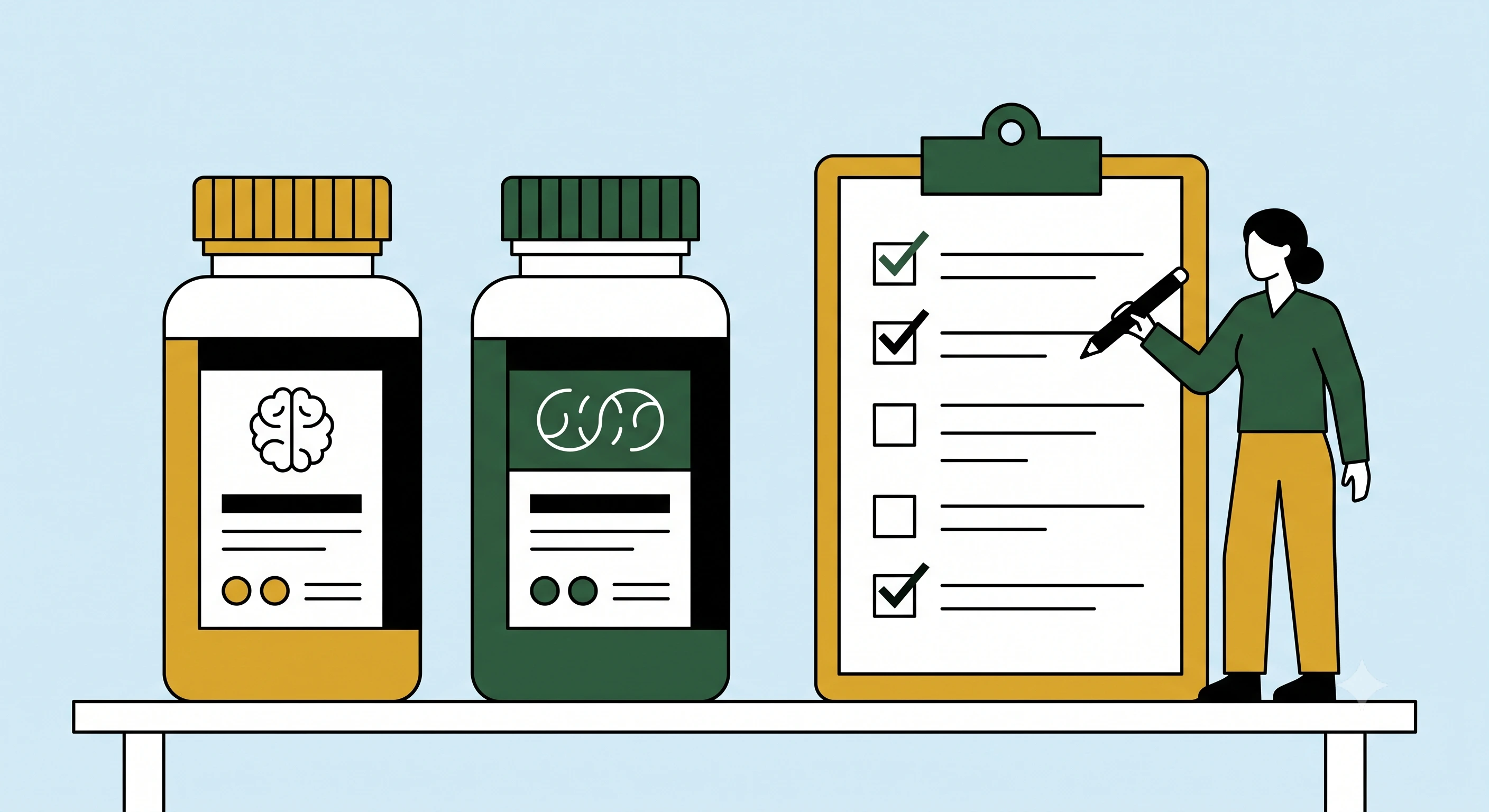

Dementia
Dementia
Dementia is a condition characterized by the decline in cognitive function, including memory loss, difficulty learning new information, and communication problems. It can also lead to personality changes, such as suspiciousness or agitation.
Show Medications for Dementia
18/05/2026
Updated: 12/06/2026
Dementia Overview
Dementia is a complex condition characterized by a decline in cognitive function, affecting memory, thinking, and behavior. It is not a normal part of aging, but rather a medical condition that requires attention and treatment.
Key Symptoms
- Memory loss and difficulty learning new information
- Communication and language difficulties
- Mood changes, such as depression or anxiety
- Personality changes, such as suspiciousness or agitation
Standard Diagnostic Tests
The following tests are commonly used to diagnose dementia:
- Alzheimer's Disease Assessment Scale-Cognitive Subscale (ADAS-Cog)
- Mini-Mental State Examination (MMSE)
- Neuropsychological tests (e.g., memory, language, executive function)
Treatment and Management
While there is no cure for dementia, various treatments can help manage its symptoms. The gold standard treatment includes medications such as cholinesterase inhibitors (e.g., Donepezil). Other alternatives include:
- Memantine
- Acetylcholinesterase inhibitors (e.g., Rivastigmine)
- NMDA receptor antagonists (e.g., Dextromethorphan)
Risk Factors and Prevention
While dementia cannot be prevented, certain risk factors can increase the likelihood of developing the condition. These include:
- Age (65+ years)
- Family history of dementia
- History of stroke or head injury
- Down syndrome
Treatment of Dementia
Gold Standard Treatment: Cholinesterase Inhibitors (e.g., Donepezil)
Cholinesterase inhibitors, such as donepezil, are the gold standard treatment for dementia. These medications work by increasing the levels of acetylcholine in the brain, a neurotransmitter that plays a crucial role in memory and learning. By inhibiting the enzyme cholinesterase, which breaks down acetylcholine, these medications allow more acetylcholine to be available for synaptic transmission. Donepezil is a selective inhibitor of acetylcholinesterase, with a high affinity for the enzyme. It has been shown to improve cognitive function in patients with Alzheimer's disease and other forms of dementia. The medication is typically administered orally once daily, and its effects can last for several hours.Alternatives: Memantine, Acetylcholinesterase Inhibitors (e.g., Rivastigmine), and NMDA Receptor Antagonists (e.g., Dextromethorphan)
- Memantine: This medication works by blocking the action of glutamate, an excitatory neurotransmitter that can be toxic to neurons in high concentrations. Memantine is used as a second-line treatment for dementia and has been shown to slow disease progression.
- Acetylcholinesterase Inhibitors (e.g., Rivastigmine): These medications, such as rivastigmine, work similarly to cholinesterase inhibitors but have a broader spectrum of activity. They inhibit both acetylcholinesterase and butyrylcholinesterase, allowing for increased levels of acetylcholine in the brain.
- NMDA Receptor Antagonists (e.g., Dextromethorphan): These medications work by blocking the action of N-methyl-D-aspartate (NMDA) receptors, which are involved in synaptic plasticity and memory formation. Dextromethorphan has been shown to have neuroprotective effects and may be used as a treatment for dementia.
Causes and Risk Factors of Dementia
Risk Factors for Developing Dementia
Dementia is a complex condition, and understanding its risk factors can help identify individuals who may be more susceptible to developing the disease. The following are established risk factors for dementia:- Age (65+ years): Age is the most significant risk factor for dementia. As people age, their likelihood of developing dementia increases.
- Family History of Dementia: A family history of dementia can increase an individual's risk of developing the condition.
- History of Stroke or Head Injury: Previous strokes or head injuries have been linked to an increased risk of dementia.
- Down Syndrome: Individuals with Down syndrome are at a higher risk of developing dementia, particularly Alzheimer's disease.
No Established Pathogen Type for Dementia
Currently, there is no established pathogen type associated with the development of dementia. The exact causes of dementia remain unclear, and further research is needed to understand its underlying mechanisms. Note: This information is based solely on the provided data and does not include any additional or speculative information about the causes of dementia.Latest Articles
Stay Healthy, Be Healthy, Love Life and read Our Blog!
🍪 We use cookies
We use cookies to enhance your browsing experience, serve personalised content, and analyse traffic. By clicking "Accept all", you consent to our use of cookies.