
Allergies. What is an allergy?
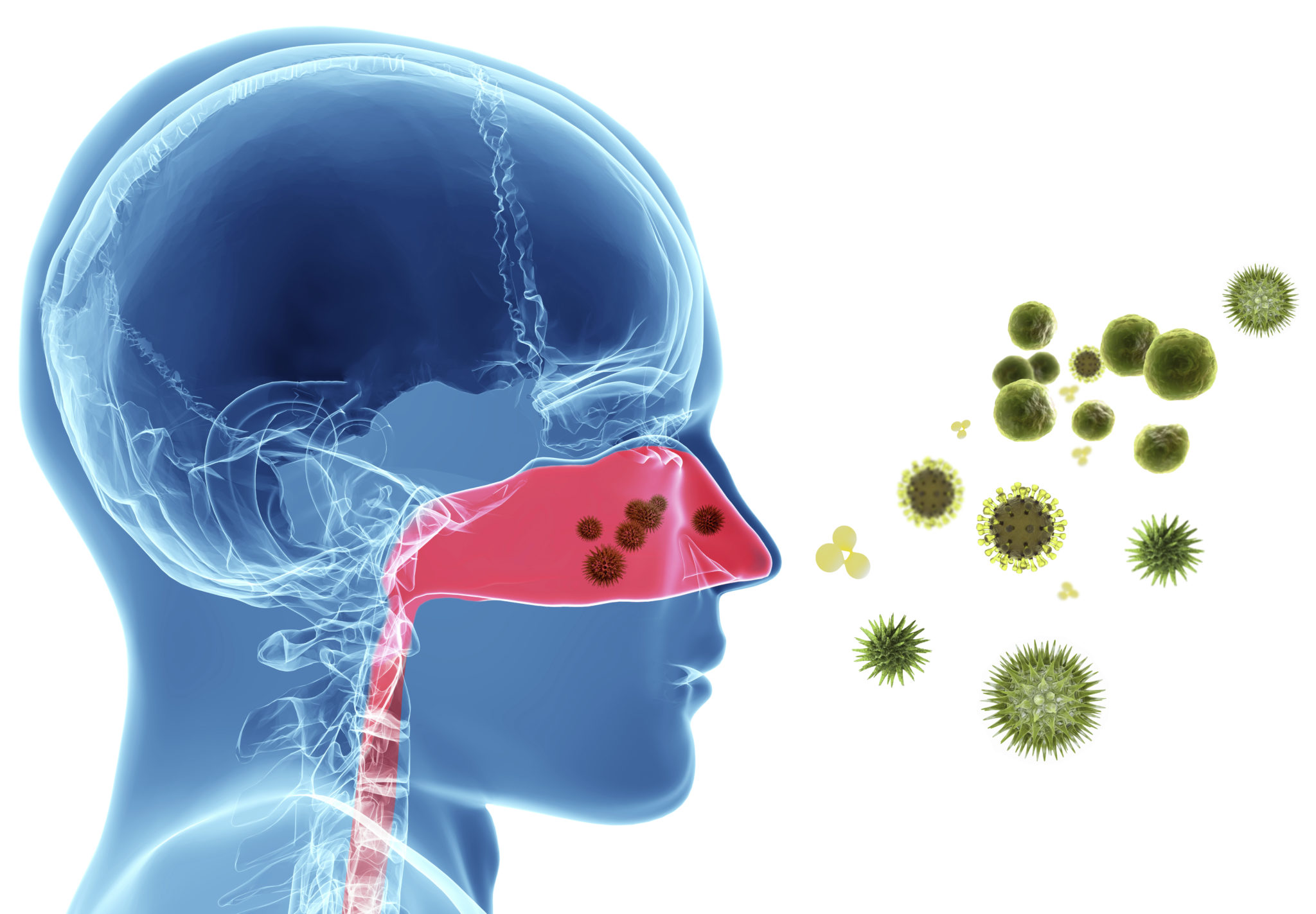
An allergy is an immune system reaction to something that is normally harmless. The reaction to the allergen (allergy-triggering substance) results in the release of histamine and other body chemicals. These chemicals cause the symptoms of allergies, which are usually mild but annoying. Examples include the runny nose of hay fever (allergic rhinitis) or the itchy rash of poison ivy.
However, in some cases, the symptoms can be much worse and involve the entire body. Anaphylaxis is the most severe allergic reaction. In anaphylaxis, these immune chemicals cause serious skin symptoms, such as hives and swelling, as well as severe breathing problems and very low blood pressure.
Allergic reactions can be triggered by a wide variety of allergens. Common ones include:
Pollen - Allergies that come and go with the seasons are usually triggered by plant pollen.
Foods - Especially peanuts and tree nuts.
Pet dander - Especially from cats and other furry pets.
Drugs - While any drug can cause an allergic reaction, penicillin and sulfa antibiotics are among the most common culprits.
Mold spores - A hidden source of mold spores is the damp soil of houseplants.
Insect stings - Especially from bees, yellow jackets, paper wasps, hornets, or fire ants.
Symptoms of allergies
Symptoms depend on the type of allergic reaction. Pollen and pet dander allergies typically cause
sneezing
itchy and runny nose
stuffy nose
red, itchy, or watery eyes
itchy or sore throat.
Nasal congestion can lead to mouth breathing, and the dripping of excess mucus from the nose into the throat can cause persistent cough and sore throat.