
Living with Hypertension: A Daily Management Guide
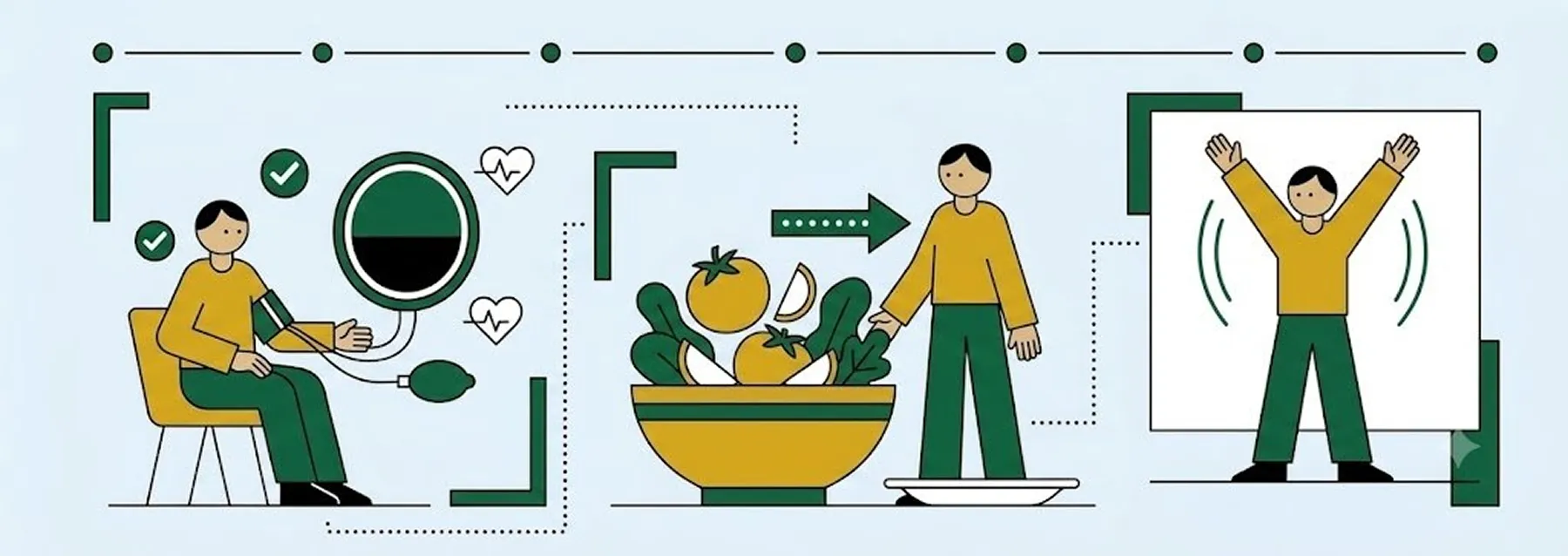
Welcome to the Profarma Express wellness hub. Hypertension, often called the "silent killer," typically has no symptoms until it causes significant damage to your heart or arteries. Managing it requires a proactive, daily approach. Here is what you need to know about living safely with high blood pressure.
Understanding Your Numbers
The first step in living with hypertension is knowing what your numbers mean. Blood pressure is measured using two numbers: systolic (the upper number) and diastolic (the lower number). Here is a quick reference guide:
Blood Pressure Category | Systolic (Upper) | Diastolic (Lower) |
|---|---|---|
Normal | Less than 120 | Less than 80 |
Elevated | 120 – 129 | Less than 80 |
High Blood Pressure (Stage 1) | 130 – 139 | 80 – 89 |
Daily Lifestyle Habits
Medication is vital, but lifestyle modifications are the foundation of hypertension management. Small daily changes can significantly lower your numbers.
1. Adopt the DASH Diet
The Dietary Approaches to Stop Hypertension (DASH) diet is specifically designed to lower blood pressure without medication. Focus on incorporating:
Fresh fruits and vegetables (aim for 4-5 servings a day).
Whole grains like brown rice and quinoa.
Lean proteins, including fish and poultry.
Low sodium: Keep your daily salt intake under 1,500 mg.
2. Stay Active
Your heart is a muscle, and regular exercise makes it stronger. A stronger heart can pump more blood with less effort.
Start with 30 minutes of brisk walking every morning.
Incorporate light resistance training twice a week.
Always consult your doctor before starting a new workout routine, especially if you have severe cardiovascular issues.
Medication Management
If lifestyle changes are not enough, your doctor may prescribe antihypertensive medications. Common options include ACE inhibitors, beta-blockers, or calcium channel blockers like Norvasc (Amlodipine) or Caduet.
"Consistency is key. Taking your blood pressure medication at the exact same time every day helps maintain a steady level of the drug in your bloodstream, preventing dangerous spikes in pressure."
Never skip a dose or stop taking your medication just because your numbers have improved. If you experience side effects like dizziness or swelling in your ankles, consult your healthcare provider immediately.
When to Check Your Pressure
Invest in a reliable home blood pressure monitor. For the most accurate readings, check your pressure twice a day: once in the morning before taking your medications, and once in the evening. Keep a log of your readings to share with your cardiologist.
Medical Disclaimer: This guide is for informational purposes only. If you have questions about your hypertension, always consult a licensed physician or pharmacist.
🍪 We use cookies
We use cookies to enhance your browsing experience, serve personalised content, and analyse traffic. By clicking "Accept all", you consent to our use of cookies.