

Hypertension
Hypertension
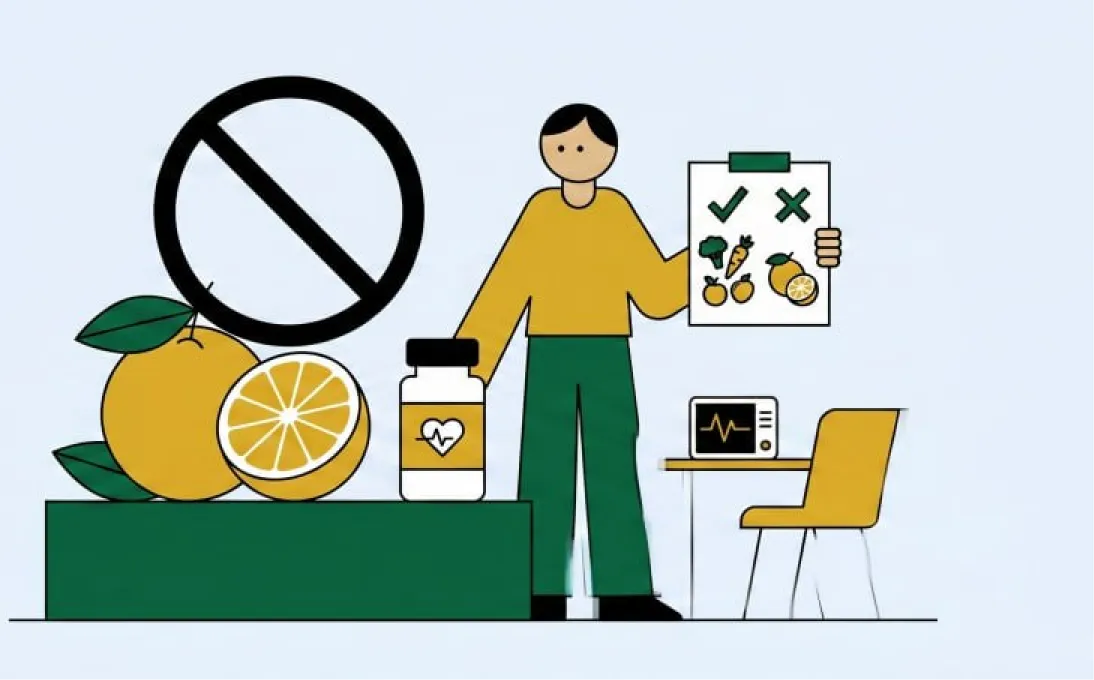
Hypertension is a medical condition characterized by persistently elevated blood pressure. It can lead to cardiovascular disease, kidney damage, and stroke if left unmanaged. Lifestyle modification, including dietary changes and regular exercise, is often the first line of treatment.
Show Medications for Hypertension
07/04/2026
Updated: 14/07/2026
Hypertension, clinically defined as chronically elevated blood pressure, is widely known in the medical community as the "silent killer." Because it rarely presents with noticeable symptoms until it reaches a crisis level, millions of people live with severe vascular damage completely unaware. Left untreated, high blood pressure systematically destroys the blood vessels, leading directly to heart attacks, strokes, and irreversible kidney failure.
Epidemiology and Key Statistics
According to the National Health Service (NHS) and global cardiology data, hypertension affects more than 1 in 3 adults globally. While prevalence increases significantly with age, clinical audits show a sharp rise in early-onset hypertension among patients in their 30s and 40s, primarily driven by rising rates of Obesity and highly processed, sodium-rich diets.
Clinical Classification: Primary vs. Secondary
In clinical practice, determining whether hypertension is an isolated condition or a symptom of another disease dictates the pharmacological approach:
Primary (Essential) Hypertension
Accounting for 90–95% of all adult cases, primary hypertension has no single identifiable cause. It develops gradually over many years as a result of complex interactions between genetics, age, and environmental/lifestyle factors (such as diet and lack of exercise).
Secondary Hypertension
This phenotype accounts for the remaining 5–10% of cases and appears suddenly, causing much higher blood pressure than primary hypertension. It is directly caused by an underlying, pre-existing condition, such as Diabetes Mellitus, obstructive sleep apnea, thyroid dysfunction, or chronic kidney disease.
Evidence-Based Pharmacological Treatments
The goal of antihypertensive therapy is to aggressively lower blood pressure below 130/80 mmHg to mitigate cardiovascular risk. Because patients respond differently based on age and race, treatment is highly individualized.
Comparative Analysis of First-Line Oral Agents
Below is a clinical breakdown of the primary drug classes used to manage hypertension, all available through our regulated pharmacy:
Medication (Brand) | Drug Class | Primary Clinical Action | Key Clinical Note |
|---|---|---|---|
Norvasc (Amlodipine) | Calcium Channel Blocker (CCB) | Relaxes the muscles of your blood vessels, widening them to lower pressure. | A highly effective first-line treatment, especially potent for older adults and African American patients. |
Vasotec (Enalapril) | ACE Inhibitor | Blocks the production of a hormone (angiotensin II) that narrows blood vessels. | The gold standard for patients who also suffer from Diabetes, due to its kidney-protecting properties. |
Toprol XL (Metoprolol) | Beta-Blocker | Slows the heart rate and reduces the force of the heart's contractions. | Crucial for patients whose high blood pressure is driven by severe stress, anxiety, or a past heart attack. |
Combination Therapy | Combines an ACE inhibitor with a diuretic (water pill) to flush excess sodium. | Used when a single medication is insufficient to bring blood pressure down to a safe target level. |
Clinical Safety Considerations
Antihypertensive medications must be taken consistently, exactly as prescribed. Suddenly stopping drugs like Toprol (beta-blockers) can cause a dangerous phenomenon called "rebound hypertension," triggering an immediate heart attack. Additionally, ACE inhibitors are strictly contraindicated during pregnancy. For a comprehensive list of daily maintenance therapies, visit our Hypertension Medications Catalog.
Frequently Asked Questions About Hypertension
If I feel fine, do I still need to take my blood pressure pills?
Yes, absolutely. This is the most dangerous mistake patients make. Hypertension is entirely asymptomatic until it causes a catastrophic event like a stroke or kidney failure. Your medication (such as Norvasc) is working precisely because you feel fine and your numbers are stable. You must take it every single day.
Can I stop taking medication if I lose weight?
In some cases, yes. Significant weight loss (through managing Obesity) and strict dietary changes (lowering sodium intake) can reverse mild primary hypertension. However, you should never stop your medication without consulting a doctor, as they will need to slowly taper your dosage as your blood pressure naturally improves.
Why did my doctor prescribe a "water pill" for my heart?
Diuretics (often combined in drugs like Accuretic) force your kidneys to flush out excess sodium and water through your urine. This physically reduces the total volume of fluid flowing through your veins, which immediately lowers the pressure against your blood vessel walls.
Is it safe to order my daily heart medication online?
Yes, provided you use a regulated pharmacy. At Profarma Express, our independent prescribers rigorously review your medical history and concurrent medications to ensure your requested antihypertensive therapy does not cause dangerous drug interactions, ensuring safe, continuous delivery.
Treatment of Hypertension
Hypertension is a chronic, lifelong condition. The clinical treatment protocol focuses on achieving strict, continuous blood pressure control to prevent vascular damage. Treatment is heavily customized based on the patient's age, race, and co-existing metabolic conditions:
Calcium Channel Blockers (CCBs): Agents like Norvasc (Amlodipine) are highly effective first-line treatments that relax vascular smooth muscle.
ACE Inhibitors & ARBs: Medications such as Vasotec block vasoconstricting hormones. They are the absolute gold standard for hypertensive patients who also suffer from Diabetes, as they actively protect the kidneys from failing.
Beta-Blockers: Drugs like Toprol XL or Tenormin are prescribed if the patient has a history of heart failure or stress-induced tachycardia, as they reduce the heart's workload.
Diuretics: Often referred to as "water pills" (e.g., Lasix), these are utilized to flush excess sodium from the bloodstream, frequently used in combination therapies like Accuretic.
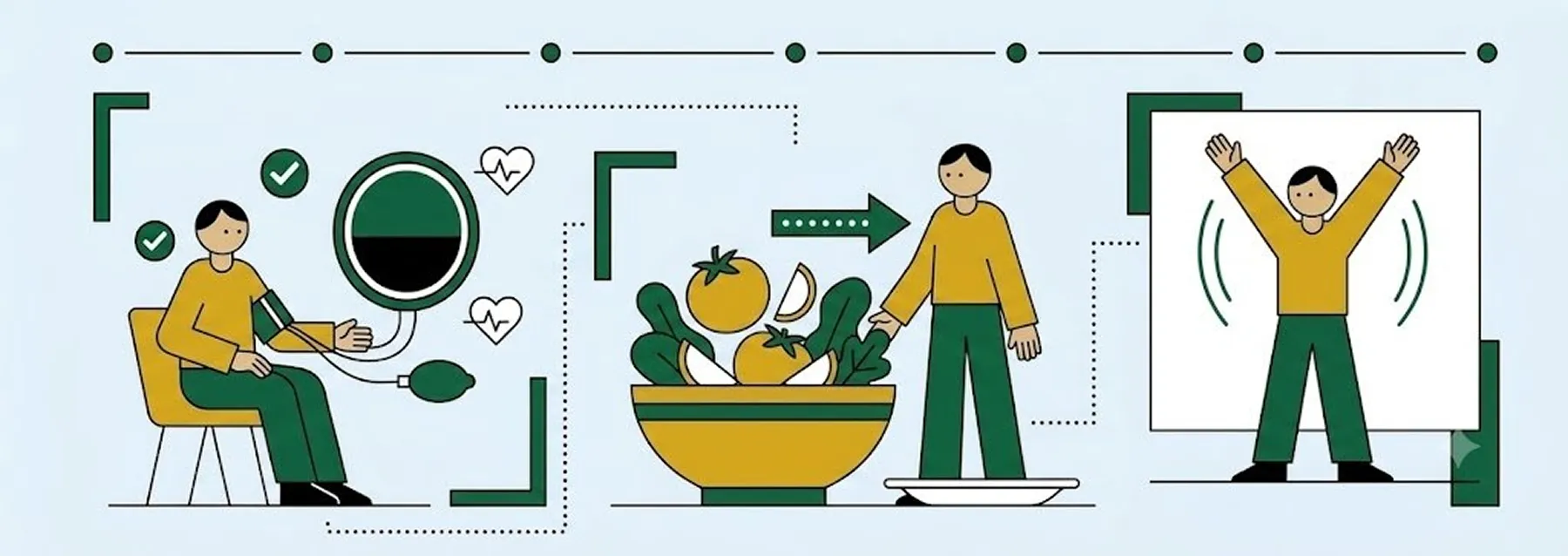
Pharmacological treatment must be aggressively supported by clinical lifestyle interventions, including severe sodium restriction and aerobic exercise.
Causes and Risk Factors of Hypertension
Blood pressure is determined by the amount of blood your heart pumps and the amount of resistance to blood flow in your arteries. While primary hypertension develops gradually over time, specific clinical and lifestyle factors drastically accelerate the stiffening and narrowing of blood vessels:
Adiposity and Obesity: Excess body weight requires more blood to supply oxygen to tissues. As the volume of blood circulated increases, so does the pressure on artery walls. Obesity is a primary driver of high blood pressure.
High Dietary Sodium: Consuming too much salt forces the body to retain fluid, directly increasing blood volume and spiking blood pressure.
Insulin Resistance: Patients with Diabetes Mellitus frequently develop hypertension because chronic high blood sugar damages the endothelial lining of the blood vessels, making them stiff and unresponsive.
Tobacco and Alcohol Consumption: Nicotine is a powerful, immediate vasoconstrictor that spikes blood pressure, while chronic heavy drinking severely damages the heart muscle.
Genetics and Age: The risk of high blood pressure increases significantly with age as arteries naturally lose their elasticity. A strong family history of cardiovascular disease also elevates risk.
Latest Articles
Stay Healthy, Be Healthy, Love Life and read Our Blog!
🍪 We use cookies
We use cookies to enhance your browsing experience, serve personalised content, and analyse traffic. By clicking "Accept all", you consent to our use of cookies.