
Remicade vs. Inflectra: Switching Biologics for Crohn’s and Colitis
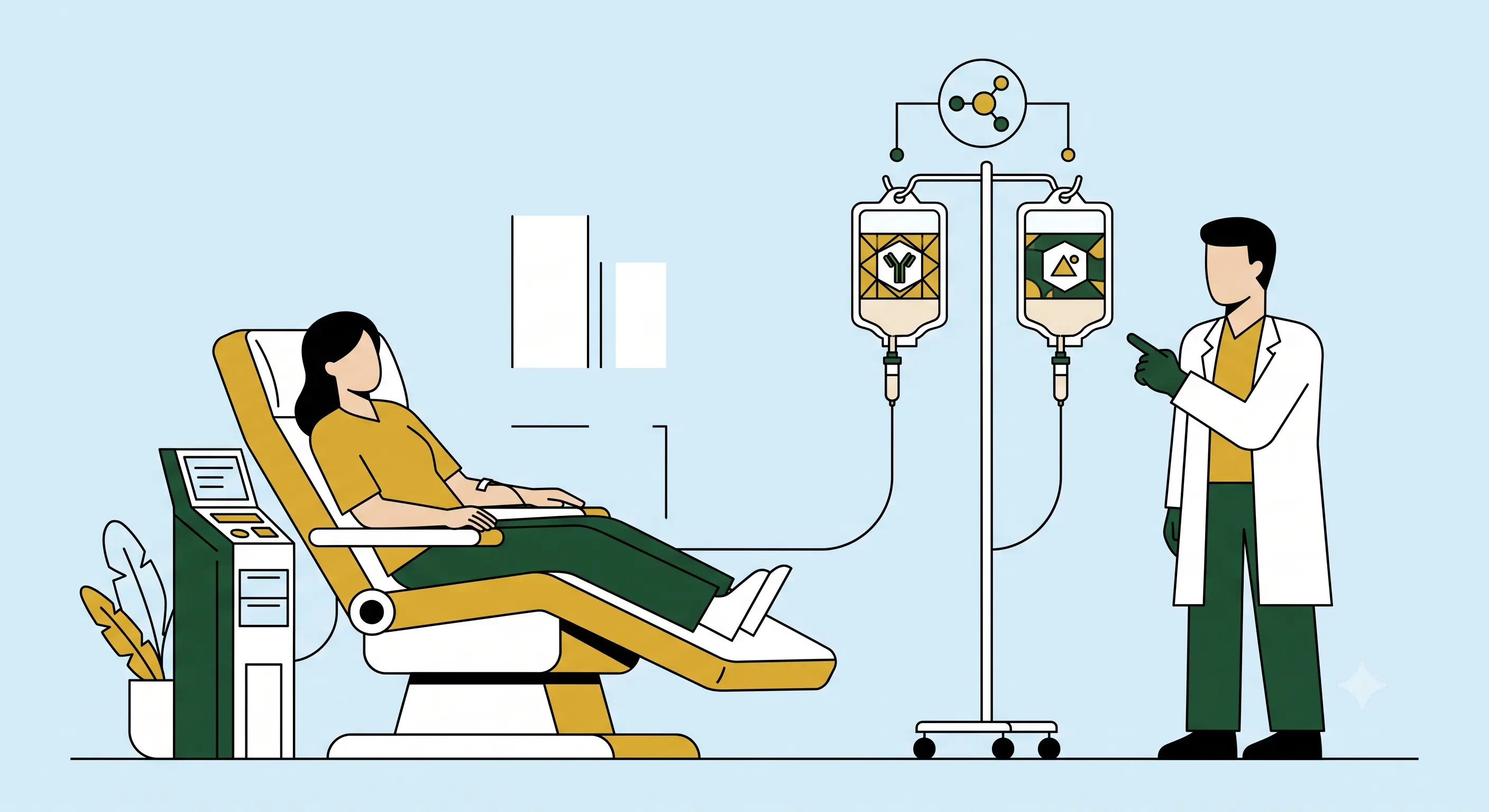
At a Glance
- Inflectra (infliximab-dyyb) is a highly similar, FDA-approved biosimilar to the original reference biologic, Remicade (infliximab).
- Both medications are administered via intravenous (IV) infusion following the exact same dosing and scheduling protocol.
- Multiple real-world switching studies confirm that transitioning from Remicade to Inflectra does not increase the risk of disease flares or severe side effects.
- Oral immunomodulators like Xeljanz or Imuran provide non-biologic or complementary maintenance strategies for inflammatory bowel disease.
Understanding Remicade vs. Inflectra
Both Remicade and Inflectra belong to the tumor necrosis factor (TNF) blocker class. In chronic autoimmune conditions, the immune system overproduces TNF-alpha, a protein that triggers severe systemic inflammation. By binding directly to TNF-alpha, infliximab neutralizes the inflammatory signaling that causes intestinal ulceration and mucosal damage.
Physicians regularly utilize infliximab therapies to manage complex autoimmune conditions, including Crohn disease, ulcerative colitis, inflammatory bowel diseases, rheumatoid arthritis, and plaque psoriasis.
What Makes Them Similar?
Inflectra was approved by the FDA based on extensive structural, pharmacokinetic, and clinical studies proving it has no clinically meaningful differences from Remicade in terms of purity, strength, safety, or effectiveness. Because both contain the same active therapeutic antibody (infliximab), they achieve equivalent clinical remission rates in digestive tract conditions.
Insurance & Savings Note: Most insurance transitions from Remicade to Inflectra (or other infliximab biosimilars like Renflexis or Avsola) are implemented to significantly lower outpatient infusion costs and co-pay burdens while preserving treatment efficacy.
Comparing Key Features
| Feature | Remicade | Inflectra |
|---|---|---|
| Active Drug Name | Infliximab | Infliximab-dyyb |
| FDA Approval Status | Reference Biologic (1998) | Approved Biosimilar (2016) |
| Administration Route | Intravenous (IV) Infusion | Intravenous (IV) Infusion |
| Infusion Schedule | Weeks 0, 2, 6, then every 8 weeks | Weeks 0, 2, 6, then every 8 weeks |
| Pharmacy Interchangeability? | Reference Product | No (Requires Doctor Order) |
What Changes During an Infusion Switch?
For patients transitioning from Remicade to Inflectra, the actual clinical experience remains almost identical:
- Dosing and Timing: Your dosage (calculated in milligrams per kilogram of body weight) and the time spent in the infusion chair (typically 2 hours) do not change.
- Pre-Medications: If your care plan includes pre-medications to prevent mild infusion reactions (such as antihistamines or acetaminophen), you will continue taking them before your Inflectra infusion.
- Provider Oversight: Because Inflectra is not classified as a pharmacy-level "interchangeable" biologic, your gastroenterologist must issue a specific prescription order to authorize the transition.
Safety Warning: Like all anti-TNF biologics, infliximab alters immune surveillance. Both Remicade and Inflectra carry FDA Boxed Warnings regarding the increased risk of severe opportunistic infections (such as tuberculosis or fungal infections) and certain rare lymphoproliferative disorders. Report fevers, persistent coughs, or unexplainable weight loss to your physician immediately.
Alternative & Complementary Therapies
Depending on clinical response, gastroenterologists may combine or transition therapies using other options in our clinical database:
- Targeted Oral Therapies: Patients seeking non-injectable options for ulcerative colitis may be candidates for small-molecule JAK inhibitors like Xeljanz (tofacitinib).
- Traditional Immunosuppressants: Oral DMARDs such as Imuran (azathioprine) or Arava (leflunomide) are frequently combined with biologics to prevent antibody formation against infliximab.
- Topical Gut Anti-Inflammatories: Targeted anti-inflammatory therapies like Azulfidine (sulfasalazine) continue to serve as foundational care for mild-to-moderate colitis flare-ups.
Frequently Asked Questions
Will switching to Inflectra trigger a flare-up of my bowel disease?
Large-scale clinical trials (including the landmark NOR-SWITCH study) demonstrate that switching patients from original infliximab to Inflectra results in equivalent disease control, with no increase in disease flares or antibody development.
Are the side effects of Inflectra different from Remicade?
No. Inflectra and Remicade share the exact same potential side effect profile. Mild, temporary side effects during or shortly after an IV infusion include headache, flushing, mild nausea, and upper respiratory tract symptoms.
Can I switch back to Remicade if I experience issues?
If you experience unexpected adverse effects or loss of response after transitioning, your physician can evaluate your serum infliximab drug levels and antibody titers to determine whether returning to Remicade or adjusting your dose is clinically appropriate.
Always review potential treatment adjustments with your gastroenterology team before changing your infusion routine. For more information on maintaining long-term gut health and managing severe flare-ups, visit our clinical center on Inflammatory Bowel Diseases and comprehensive medical strategies.
🍪 We use cookies
We use cookies to enhance your browsing experience, serve personalised content, and analyse traffic. By clicking "Accept all", you consent to our use of cookies.