
What to Eat While on Semaglutide: A Nutrition Guide
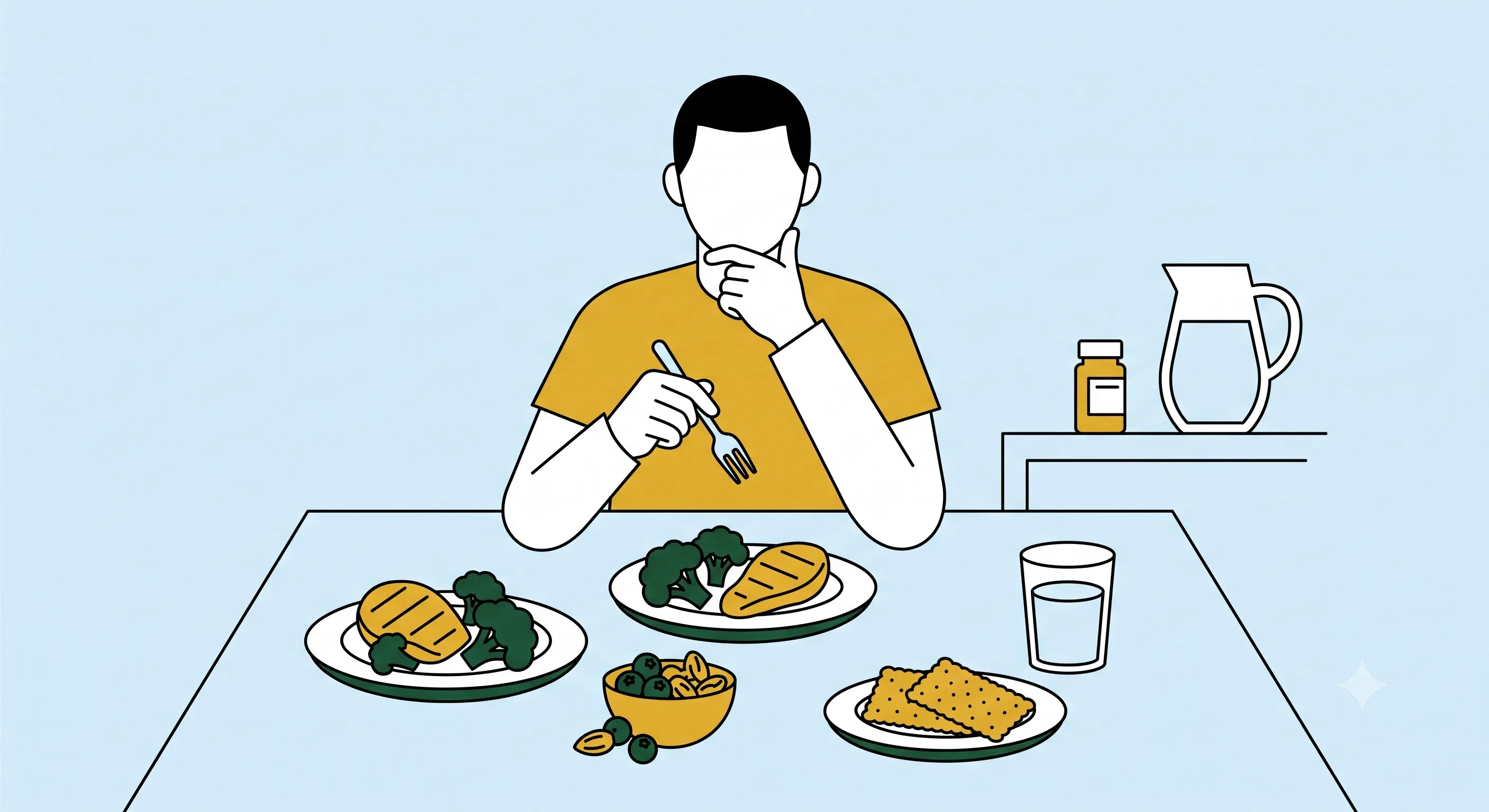
Key Takeaways
- Focus on lean proteins, high-fiber vegetables, and complex carbohydrates to stay full longer while minimizing side effects.
- Avoid high-fat, greasy, and fried foods, as these take longer to digest and can significantly worsen semaglutide-induced nausea.
- Prioritize small, frequent meals rather than large portions to keep your blood sugar stable and prevent bloating.
- Stay aggressively hydrated, as dehydration often masquerades as hunger or fatigue while on this medication.
Why Your Diet Matters on Semaglutide
Semaglutide works by mimicking a hormone that slows gastric emptying—the rate at which food leaves your stomach. This "full" feeling is what helps you consume fewer calories and lose weight, but it can also make your digestive system more sensitive. If you eat the wrong types of food, that slow digestion can turn into significant discomfort, nausea, and fatigue.
Best Foods to Eat
To feel your best, prioritize nutrient-dense foods that provide sustained energy without taxing your digestive system:
- Lean Proteins: Chicken breast, turkey, fish, tofu, and legumes are essential for maintaining muscle mass while you lose weight.
- Fiber-Rich Vegetables: Leafy greens, broccoli, zucchini, and cucumbers provide volume and essential nutrients to keep your digestive tract moving smoothly.
- Complex Carbohydrates: Opt for quinoa, brown rice, oats, and sweet potatoes. These provide steady energy and help manage blood sugar levels, which is crucial for those using semaglutide for diabetes mellitus.
- Healthy Fats (In Moderation): Avocado, nuts, and seeds provide necessary fats, but keep portions small to avoid triggering digestive sluggishness.
Foods and Drinks to Avoid
Because semaglutide slows digestion, high-fat and highly processed foods will sit in your stomach much longer than usual, often leading to severe bloating and reflux. Avoid or strictly limit:
- Fried and Greasy Foods: Fast food, deep-fried snacks, and heavy, cream-based sauces are the most common triggers for intense nausea.
- Sugary Snacks and Beverages: Foods high in added sugar can cause rapid spikes and crashes in blood glucose, leading to fatigue and increased cravings.
- Carbonated Beverages: Soda and sparkling waters can introduce excess air into your gut, causing uncomfortable gas and pressure.
- Spicy Foods: If you are experiencing heartburn or acid reflux, spicy ingredients may irritate the lining of your esophagus and stomach.
Frequently Asked Questions
What should I eat if I feel nauseous?
When nausea hits, stick to the "BRAT" principles—bananas, rice, applesauce, and toast. These are bland, easy to digest, and can help settle an upset stomach. Stick to room-temperature foods, as hot foods with strong aromas can sometimes make nausea worse.
How often should I eat?
Because your stomach empties slowly, you may find that you can no longer finish large meals. Aim for 4 to 5 small, nutrient-dense snacks or mini-meals throughout the day rather than three large meals. This prevents the "overstuffed" feeling and helps maintain consistent energy.
Do I need to take supplements?
Since you may be eating less, it is important to ensure you aren't missing key nutrients. Many patients benefit from a high-quality multivitamin to prevent deficiency diseases during significant weight loss. Always discuss your supplement routine with your doctor.
Listening to your body is the most important part of your treatment. If you experience persistent gastrointestinal distress, consult your healthcare provider to adjust your dosage. For more information on managing your overall health goals, explore our clinical resources on Obesity and metabolic wellness.
🍪 We use cookies
We use cookies to enhance your browsing experience, serve personalised content, and analyse traffic. By clicking "Accept all", you consent to our use of cookies.