
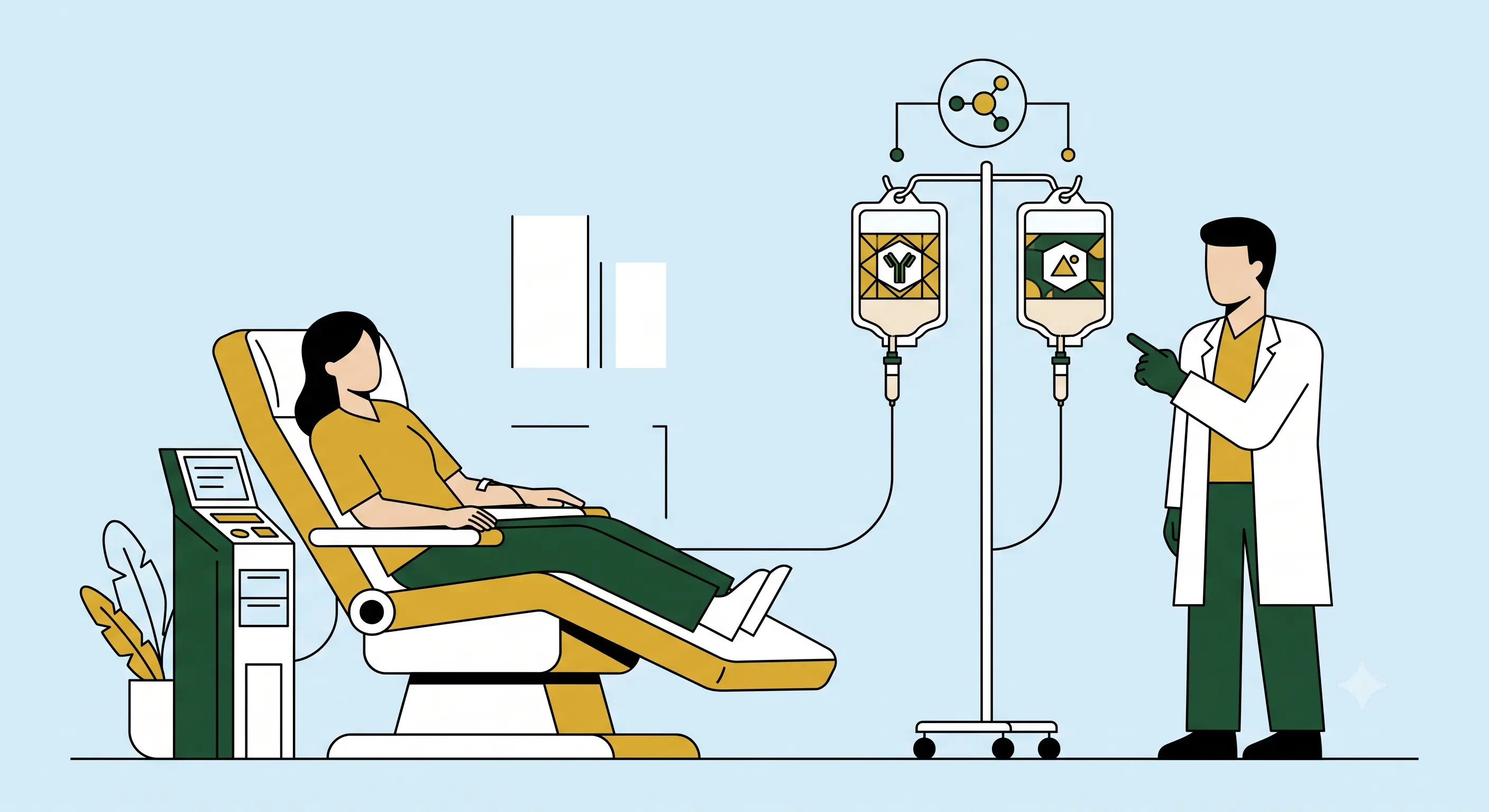

Colitis
Colitis
Treating Colitis involves managing inflammation with medications such as Aminosalicylates, which are considered the gold standard. Alternative options like Corticosteroids and Biologics may also be prescribed to alleviate symptoms.
Read our guide to: Colitis
Colitis
How Colitis Medications Work
Colitis is a type of inflammatory bowel disease (IBD) characterized by chronic inflammation and ulceration of the colon. The primary goal of medication treatment is to reduce inflammation, induce remission, and maintain long-term control.
Gold Standard Treatment: Aminosalicylates
The gold standard for treating mild to moderate colitis is aminosalicylates, such as sulfasalazine. These medications work by:
Inhibiting the production of pro-inflammatory mediators, which contribute to inflammation and tissue damage.
Reducing the permeability of the intestinal lining, thereby decreasing the passage of toxins and inflammatory molecules into the bloodstream.
Alternative Treatments: Corticosteroids, Immunomodulators, and Biologics
For moderate to severe colitis or patients who do not respond to aminosalicylates, alternative treatments may be considered. These include:
Corticosteroids (e.g., prednisone), which suppress the immune system and reduce inflammation.
Immunomodulators (e.g., azathioprine), which modify the immune response to prevent chronic inflammation.
Biologics (e.g., infliximab), which target specific molecules involved in inflammation and immune response, such as tumor necrosis factor-alpha (TNF-α).
Latest Articles
Stay Healthy, Be Healthy, Love Life and read Our Blog!
🍪 We use cookies
We use cookies to enhance your browsing experience, serve personalised content, and analyse traffic. By clicking "Accept all", you consent to our use of cookies.